The influence of social media on gambling behavior Insights from Pin Up
The Rise of Social Media in Gambling
In recent years, the landscape of gambling has been profoundly transformed by the advent of social media. Platforms such as Facebook, Twitter, and Instagram have become pivotal in shaping gambling behaviors, particularly among younger demographics. Social media allows gambling operators to reach potential players through targeted advertising, promotions, and user-generated content. For example, online gaming sites like https://p1nup.ca/ leverage these platforms to connect with audiences. This dynamic environment not only attracts new participants but also influences their gambling habits by creating a sense of community and shared experience.

Social media facilitates the sharing of personal gambling experiences and outcomes, which can have a significant impact on individuals’ choices. Players often post their wins and losses, creating a digital narrative that can encourage others to participate. For example, when influencers showcase their gambling experiences on platforms like Instagram, it can glamorize the lifestyle associated with gambling, making it more appealing to a broader audience. This peer influence can lead to increased participation and even reckless behavior among impressionable users.
Moreover, social media’s real-time nature amplifies the urgency and excitement associated with gambling. Users are constantly exposed to promotions and updates from their favorite casinos, such as Pin Up, which can lead to impulsive decisions. The blend of entertainment and the potential for monetary gain, highlighted by social media, often leads to a blurring of boundaries between responsible gambling and excessive behavior. This trend necessitates a closer examination of the legal and ethical implications of marketing gambling through these platforms.
The Role of Influencers in Gambling Promotion
Influencers play a crucial role in shaping gambling perceptions and behaviors on social media. Many influencers partner with online casinos, including platforms like Pin Up Canada, to promote their services and games. This partnership often involves sharing their gambling experiences, which can attract their followers to try similar activities. The influence of these personalities cannot be underestimated, as their credibility and relatability often resonate more with audiences than traditional advertising methods.
The relationship between influencers and gambling is complex and raises several ethical questions. While influencers can provide authentic reviews and showcase the fun aspect of gambling, their promotions can sometimes gloss over the risks involved. For example, a popular influencer might highlight their significant wins without adequately addressing the odds or risks associated with gambling. This unbalanced portrayal can lead to misconceptions among followers, particularly young adults who may be unaware of responsible gambling practices.
Additionally, the regulatory landscape concerning influencer marketing in gambling is still evolving. Many jurisdictions are establishing guidelines to ensure transparency and accountability. Influencers are increasingly required to disclose partnerships with gambling brands, promoting a more ethical approach to advertising. However, the effectiveness of these measures in mitigating risky gambling behaviors remains to be seen, especially as the influence of social media continues to grow.
The Impact of Social Media on Gambling Behaviors
The impact of social media on gambling behaviors can be seen in various forms, from increased participation to shifts in betting patterns. Research indicates that individuals exposed to gambling-related content on social media are more likely to engage in gambling activities themselves. This phenomenon is particularly evident among younger audiences who tend to spend significant time on these platforms. The normalization of gambling culture through social media has led to a perception that gambling is a harmless leisure activity.
Moreover, social media creates a competitive environment where individuals may feel pressured to gamble more to keep up with their peers. The fear of missing out (FOMO) can drive individuals to participate in gambling activities they might otherwise avoid. This behavior is particularly pronounced during live events, such as sports matches, where social media feeds are inundated with real-time bets and wagers from friends and influencers alike. The immediacy and visibility of these activities can lead to impulsive gambling decisions.
Additionally, the social aspect of online gambling platforms like Pin Up can contribute to increased spending. Players may feel encouraged to place larger bets or try riskier games when they see their friends participating. The interactive features of social media, including live streams and chat rooms, often enhance this experience, creating an environment where users may overlook the potential risks and consequences of their gambling behavior. This trend underscores the need for responsible gambling practices that account for the influence of social media.
Legal Aspects of Social Media and Gambling
The intersection of social media and gambling presents several legal challenges. Regulatory bodies are increasingly scrutinizing online gambling advertisements, particularly those that leverage social media. Laws vary significantly from one jurisdiction to another, complicating the marketing landscape for operators like Pin Up. In many regions, strict guidelines exist to prevent misleading advertising, particularly toward vulnerable populations, such as minors and those with gambling addiction issues.
Furthermore, social media platforms themselves have begun implementing stricter policies regarding gambling-related content. For instance, some platforms have age restrictions and require gambling advertisers to ensure their promotions are not directed toward individuals under a certain age. However, enforcing these regulations can be challenging, especially when considering user-generated content. This raises questions about accountability and the effectiveness of current laws in curbing potentially harmful behaviors.
As the conversation around responsible gambling continues to evolve, it is crucial for both regulators and gambling operators to work together. This collaboration could involve developing comprehensive strategies that not only address marketing practices on social media but also promote awareness of the risks associated with gambling. By fostering a more informed and responsible gambling environment, stakeholders can help mitigate the potential negative impacts of social media on gambling behaviors.
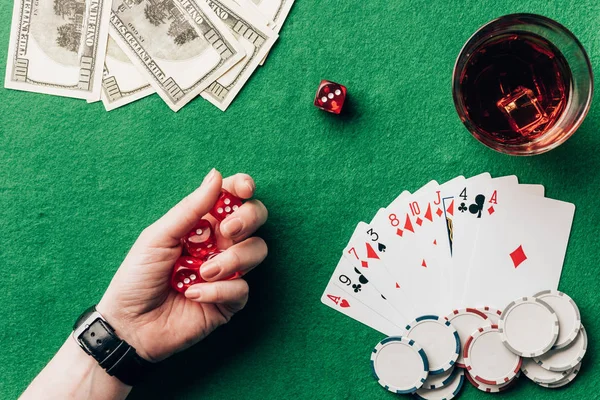
Exploring Pin Up: A Case Study in Online Gambling
Pin Up has emerged as a notable player in the online gambling industry, combining innovative gaming experiences with responsible gaming practices. The platform offers a vast array of games, including classic slots and live dealer options, attracting a diverse user base. This popularity highlights the impact social media has on the visibility of such platforms, driving traffic and engagement through targeted marketing efforts.
The casino prioritizes user experience by providing generous bonuses and loyalty rewards, thereby enhancing the overall appeal. The integration of social media marketing strategies has played a significant role in this, as potential players are often drawn in by enticing promotions shared across various platforms. Pin Up effectively utilizes social media not only to promote its offerings but also to engage with players, fostering a community around responsible gambling.
Ultimately, Pin Up’s approach exemplifies the dual nature of social media’s influence on gambling behavior. While it facilitates increased participation and creates a vibrant community, it also necessitates ongoing discussions about responsible practices and legal regulations. As the landscape continues to evolve, it will be crucial for platforms like Pin Up to navigate these complexities while promoting a safe and enjoyable gaming environment for all users.